
Garden Route Septic Tank Installations: Drainage Field & Soakaway Installation
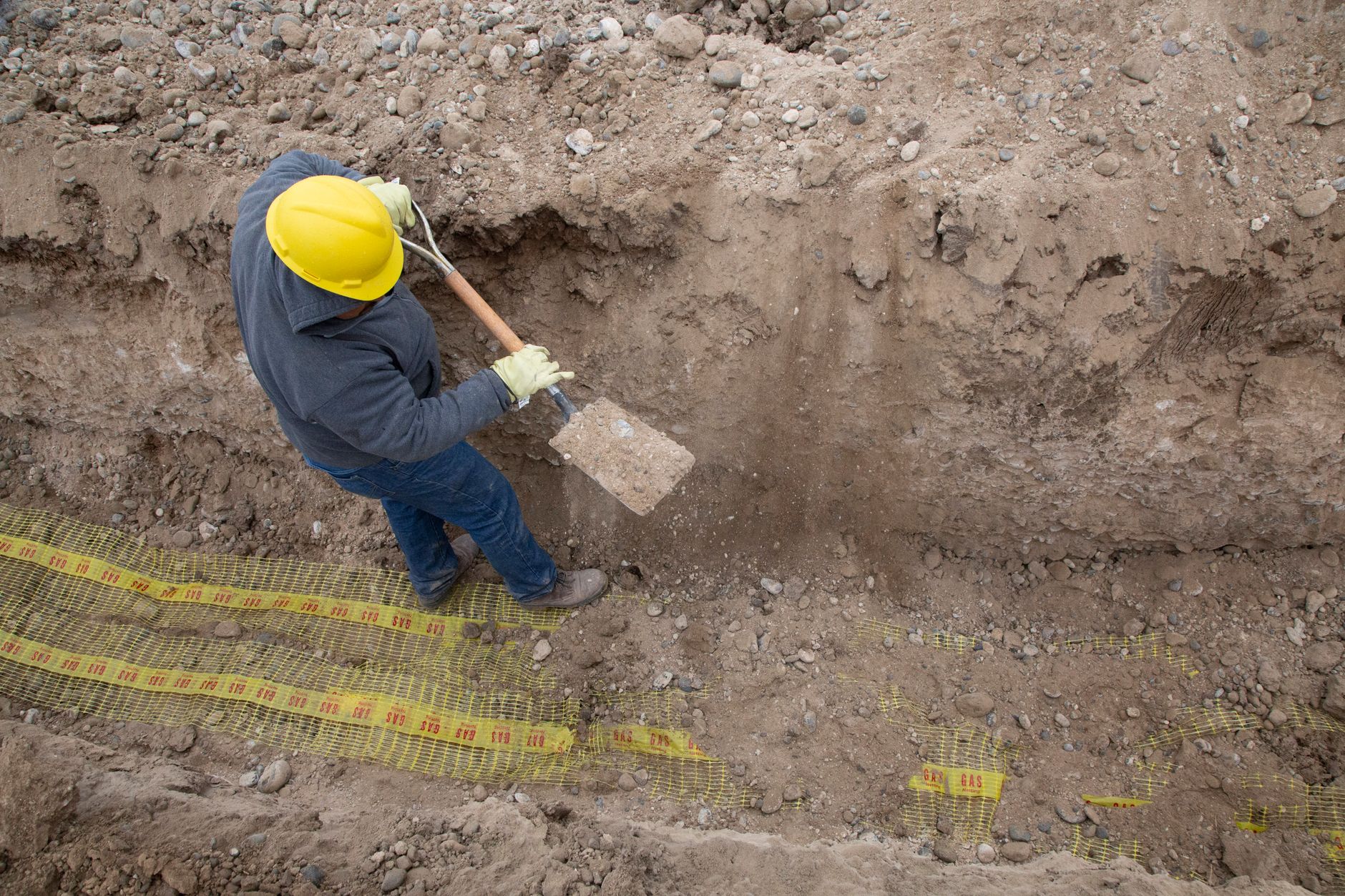
Garden Route Septic Tank Installations designs and installs drainage fields and soakaways for properties across Mossel Bay, George, and the Garden Route. This is the part of a septic system that does the actual work of treating wastewater before it returns to the soil, and it’s also the part that fails most often when a system was built to a lower standard.
Why does a drainage field fail before the tank does?
Because it’s doing the harder job. The tank separates solids from liquid; the drainage field has to disperse that liquid into the soil at a rate the ground can actually absorb. If it was undersized for the property, built in the wrong soil type, or simply installed without a proper percolation test, it reaches its limit long before a correctly sized tank ever would.
What soil conditions make a standard soakaway difficult?
Dense clay and high water tables are the two most common issues along this stretch of coast. Clay drains too slowly to disperse liquid at a normal rate, and a high water table risks the field never fully clearing between uses. Either condition usually means a larger field, a different design, or in some cases a sealed conservancy tank instead.
Does a new drainage field need its own approval?
It’s assessed as part of the overall system’s municipal application, not as a separate approval. The field design is exactly what a municipality is checking when they review a septic installation application, since a poorly designed field is the most common environmental concern with these systems.